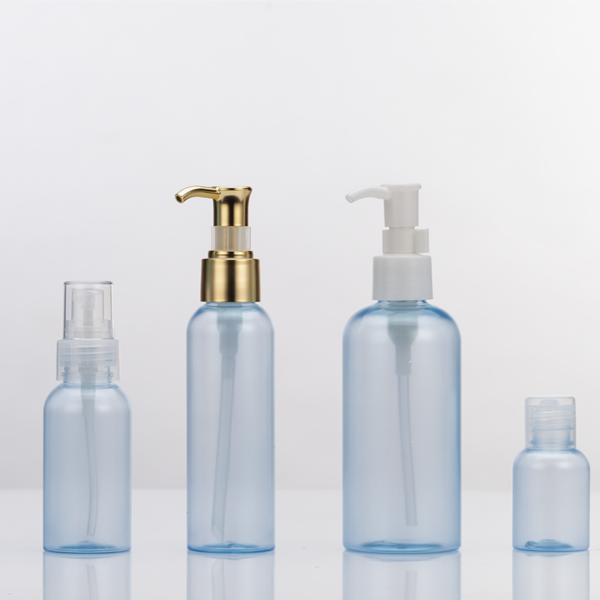
Start Simple: What a Pump Does, and Why It Matters
Here is a tiny truth: a pump is just a short path that moves liquid from A to B with a push. The second truth is about your pet pump bottle. It stores, seals, and doses your soap or lotion, one small shot at a time. Imagine a busy morning. Your hands are slippery. The counter is sticky. You press fast to get going. Now think about this: many tests show that poor pump design can waste 10–20% of product over its life, or let air sneak in and dull fragrance. So, what if a simple change in the pump path could save time, money, and mess (and maybe a small sigh, too)? We call this the seal-flow balance. When the seal is weak, leaks happen. When the flow path is wrong, the dose feels random. Kids notice it. Grown-ups pay for it.
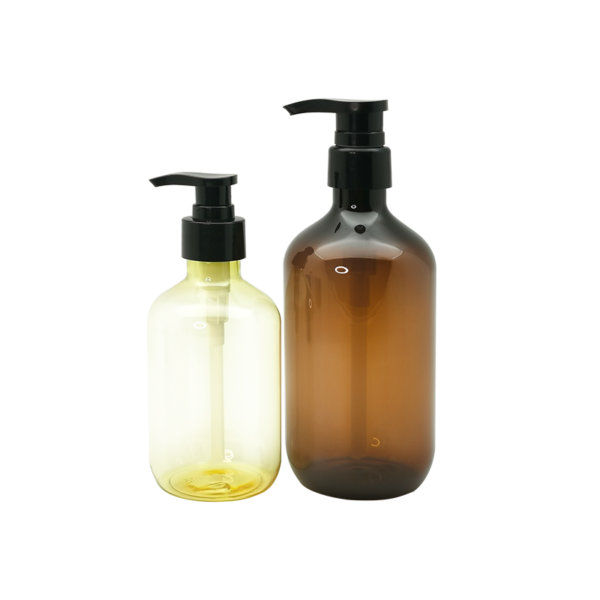
The big question: can small parts, like a spring or a tiny valve, fix the daily drip without making the pump hard to press? Let’s move forward and compare what really works next.
The Hidden Cost of Old Fixes
Why do pumps still waste product?
Old fixes don’t fix the root. They hide it. Many teams swap caps, tighten closures, or shorten dip tubes. Yet the waste stays. With pet plastic pump bottles, the real issue is often inside the head: the actuator shape, the orifice size, and the check valve seat. If the seat is rough, air backflows. If the spring rate is off, you get spitting. That kills dosage accuracy and turns a neat sink into a splash zone. Look, it’s simpler than you think: match the neck finish to the pump, keep closure torque to spec, and make the flow path smooth. But people skip the basics under rush—and that builds tiny failures into every press. — funny how that works, right?
There is more. A long dip tube may bend and cavitate near the base, so every last 10–15 ml becomes a fight. A short tube leaves a ring of product you cannot reach at all. If the piston travel is too short, kids double-press to get enough soap, and that inflates use. If it is too long, hands get tired. Traditional swaps, like thicker caps or taped threads, only mask the symptoms. The better move is to tune the pump geometry and surface finish, then pair it with a bottle made by clean ISBM (injection stretch blow molding) so the wall is even and the headspace is stable. That way, you protect the seal and the dose—two small wins that compound daily.
Forward Look: Smarter Pumps, Cleaner Counters
What’s Next
New designs fix flow at the source. They use a low-friction piston, a tighter check valve, and a guided spring to keep the travel smooth. Think of it like a tiny traffic system. The valve opens, the chamber fills, and the path out is polished to avoid turbulence. In a china pet pump bottle, that can mean a redesigned actuator dome and a micro-ridge on the valve seat to stop backflow. When the orifice is right, the stream stays steady and the foam forms better. You also get better seal integrity after many cycles, because the gasket is not crushed by random torque. This is not magic—just principles: reduce friction, guide the spring, smooth the path. Quick note: even small gains in metering volume can cut waste across a family, week after week.
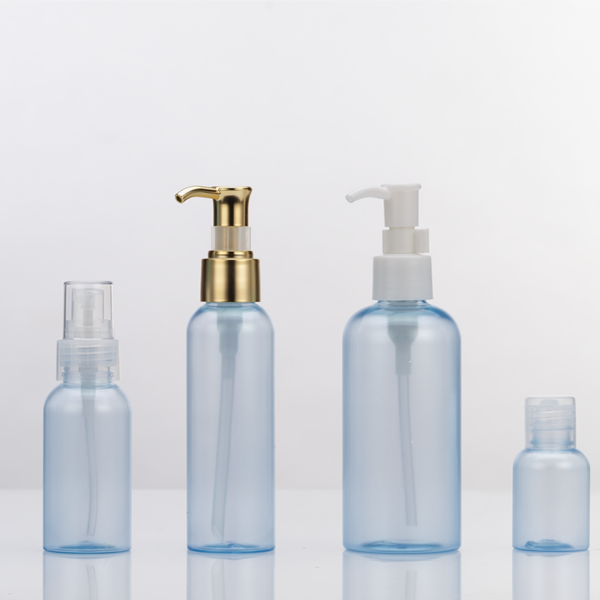
Let’s compare outcomes without repeating the obvious. Older fixes tightened caps; smarter systems balance the whole chain. Older setups ignored wall thickness; better bottles use consistent ISBM so vacuum doesn’t wobble the dose. Earlier pumps spit when the spring rate drifted; now, tuned springs and clean valve seats protect a predictable 0.8–1.5 ml per stroke. The result? Fewer shakes, fewer second presses, and less leftover product at the bottom. Here is a simple way to choose well, and to close us out with practical steps. Advisory mode on: first, measure output per stroke across 10 presses to check variance. Second, test seal retention and closure torque after 100 cycles to see if leaks creep in. Third, confirm material and recyclability so your PET body and PP head match your end-of-life stream. Small steps, steady gains. NAVI Packaging