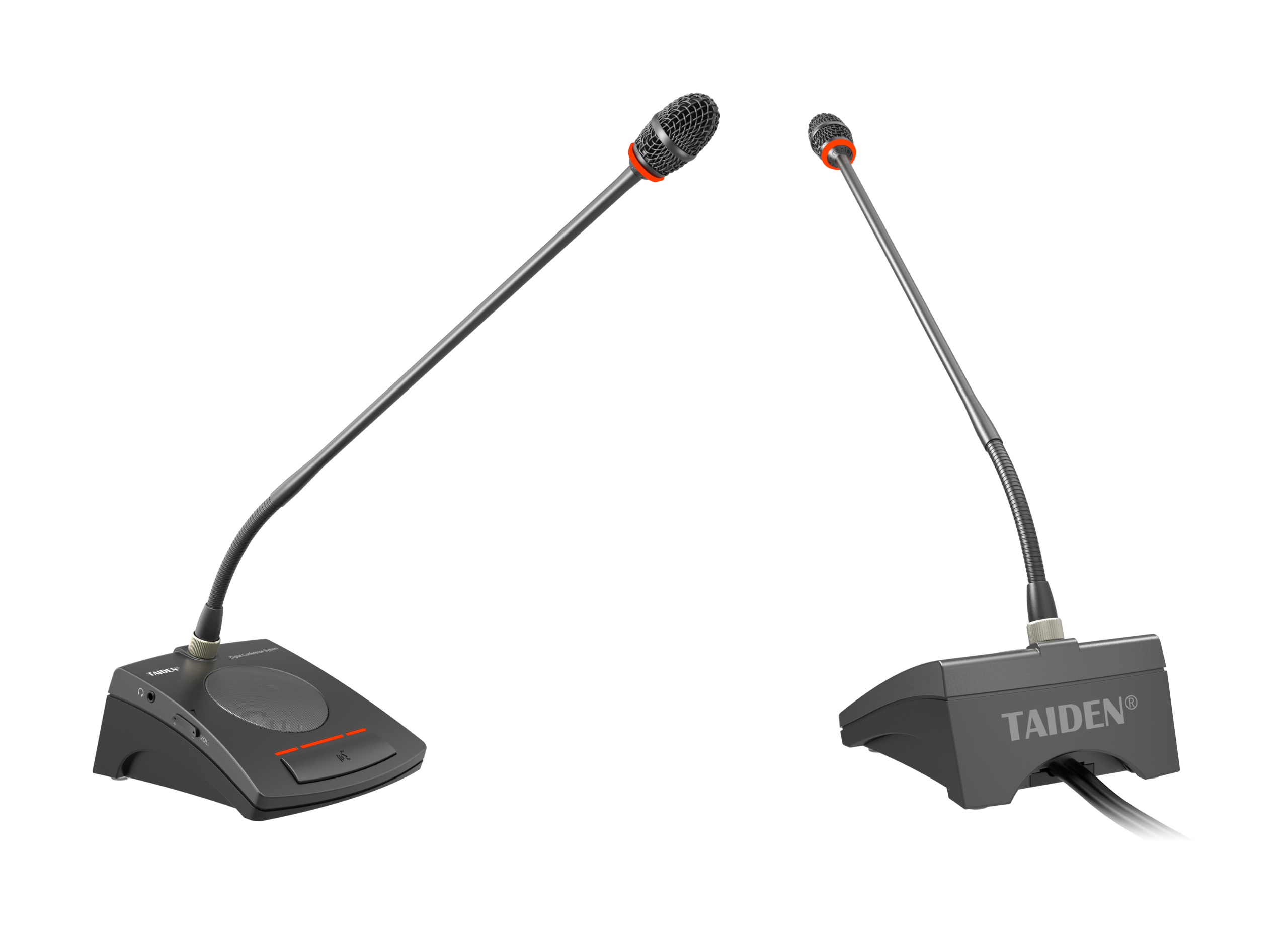
Why Sound Sets the Tone: A Quick Scene and a Hard Number
You step into a Monday stand-up and the room is already buzzing. In the glass-walled boardroom, the conference room speaker and microphone system hums to life while a dozen faces pop into the call. A small delay sneaks in, people talk over one another, and the first five minutes slip away. Recent studies suggest teams lose 18–25% of meeting time to audio friction—dropouts, echo, low gain, or plain old muddle. So the question becomes simple: if the words are right, why does the sound fail the moment?
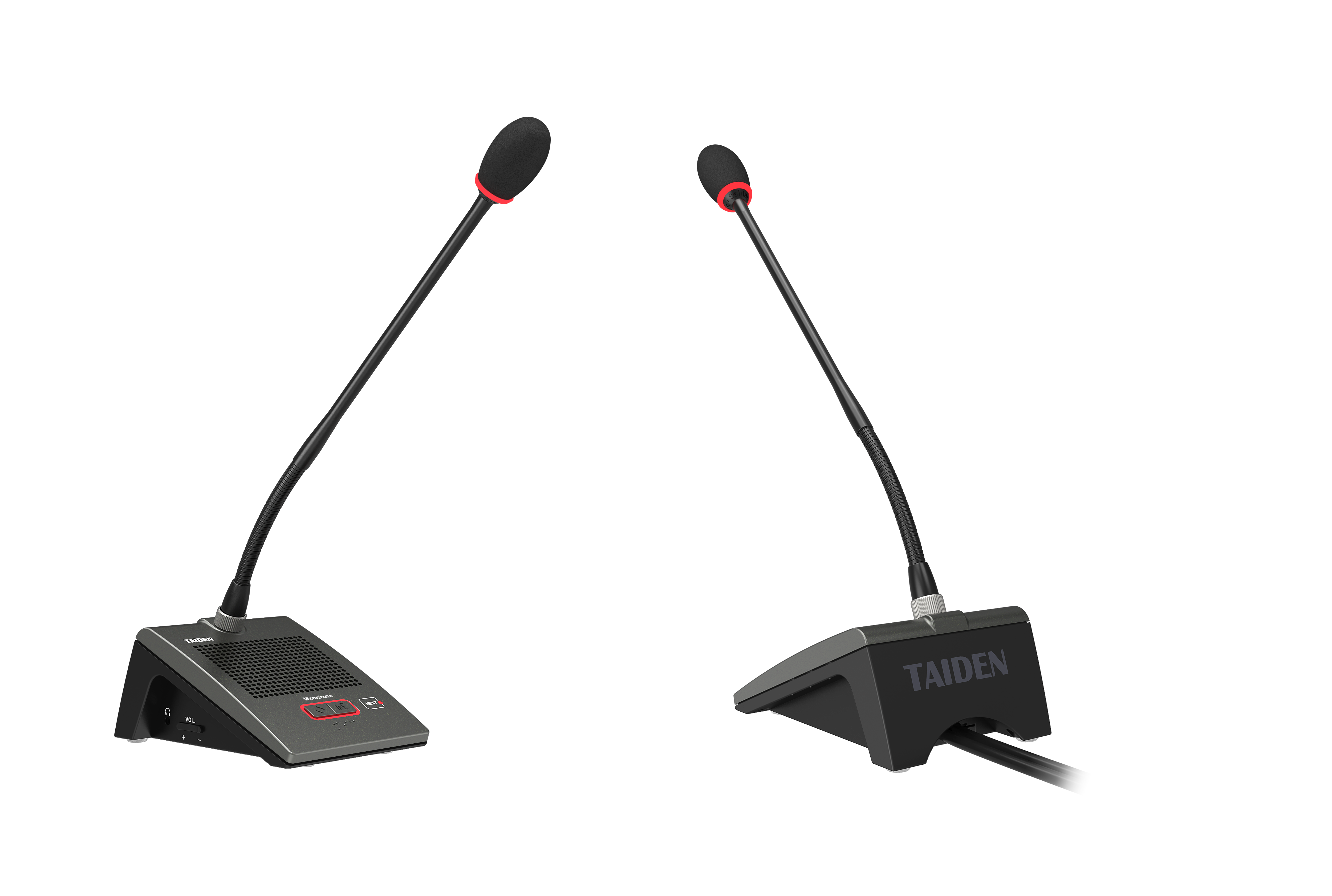
Think of the missed cues. A voice fades because the mic’s pickup pattern does not match the seating. A far-end echo loops because acoustic echo cancellation (AEC) is not tuned. Latency piles up at each hop—codec, DSP, network—until timing falls apart. These little cracks add up. They also set the tone of the day (and the mood in the room). When sound feels clean, people speak sooner, share more, and settle faster. When it does not, decisions stall. Let’s move past the surface and get to the root of it—where entry-level choices help, and where they bite. Onward.
Entry-Level Gear, Deeper Friction: What Most Setups Miss
For many teams, entry-level conference equipment looks like the smart first step. It is compact, quick to deploy, and budget friendly. Yet the real pain lives below the specs. Small all-in-one units can struggle with dynamic seating and varied room acoustics. Their beamforming might be fixed, not adaptive. The signal-to-noise ratio (SNR) is fine in quiet rooms, but falls in open spaces. DSP presets may not match your table shape or ceiling height. And once you add a second speaker bar, gain-sharing automix gets tricky—funny how that works, right?
Look, it’s simpler than you think. The friction comes from three places: control, coverage, and chain. Control: low-cost AEC and noise gates can chase voices and clip ends of sentences. Coverage: a single capsule cannot follow side talk or soft voices at the back. Chain: each device adds delay, and unmanaged switches add jitter without QoS. Add power over Ethernet (PoE) to the mix, and under-sized power converters starve endpoints when you expand. If your system cannot expose per-mic gain, EQ, or routing, you are locked into one-size-fits-none. Hidden cost appears as meeting drag. People repeat themselves. Hosts mute and unmute like percussion. The room wins instead of the team.
Where do entry-level kits fall short?
They often lack scalable routing, proper latency budgeting, and flexible automix. Room presets may ignore glass, soft furnishings, or HVAC noise. Firmware updates are rare, so bugs linger. And when RF interference creeps in from adjacent spaces, there is no diagnostic view to trace it. You see the result as fatigue. Not a feature sheet problem—a human one.
Beyond Basics: How the Next Wave Changes the Room
Here is the comparative lens. New systems shift from fixed blocks to adaptive layers. A modern conferencing microphone can run edge computing nodes inside the capsule to track speakers and suppress HVAC rumble in real time. Automix moves from simple gating to gain sharing with talker priority. Networked audio (think Dante or AVB) locks clocks and reduces drift; QoS holds jitter in check across switches. AEC is not just “on”—it is profiled per room and per loudspeaker, reducing tail length so speech cuts clean. And yes, all of that stays human when the UI is clear—because sliders you can trust matter.
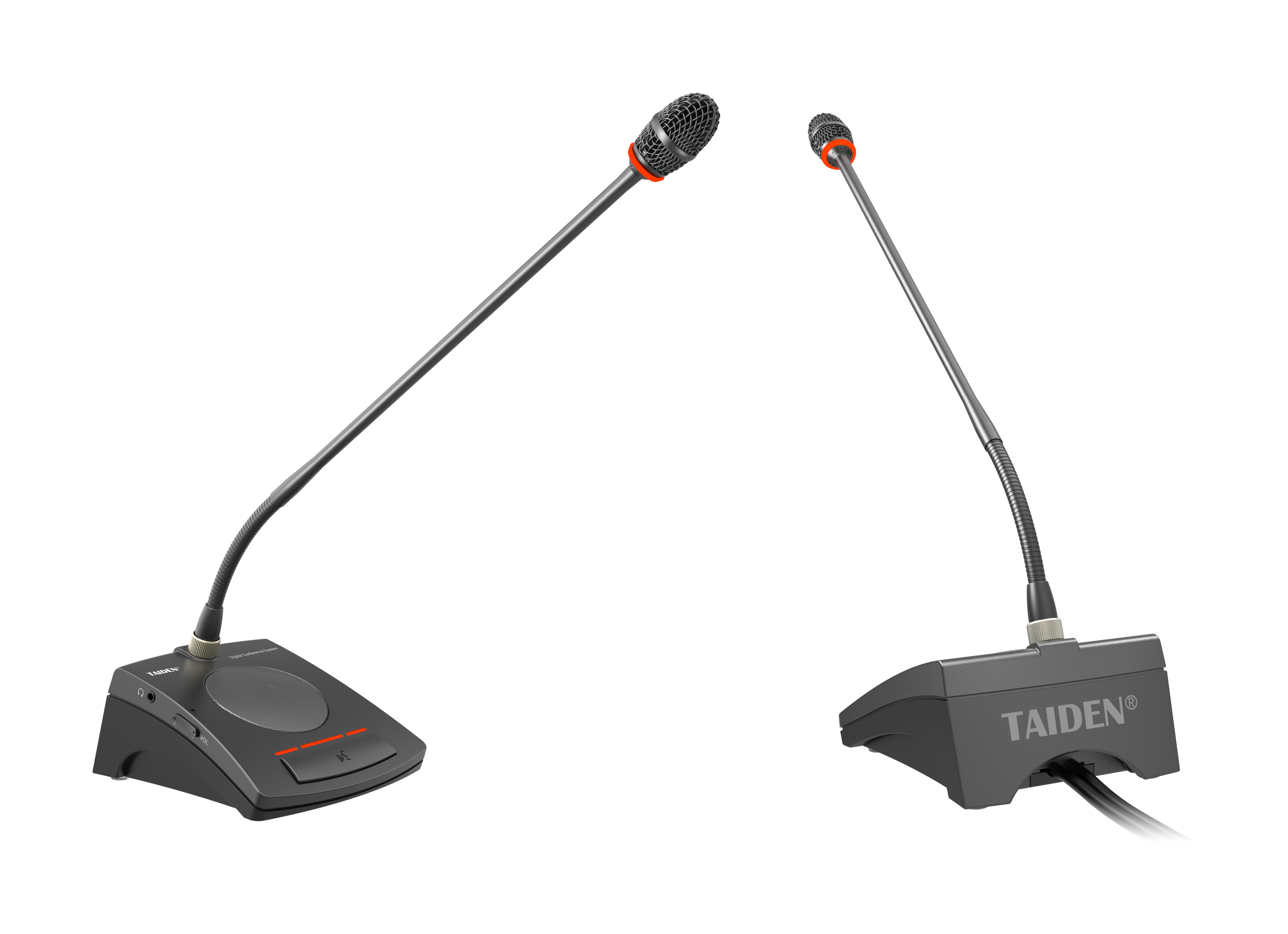
Future-leaning rigs also plan for growth. Modular arrays let you extend coverage without breaking the latency budget. OTA firmware updates roll in new DSP blocks, like de-reverb or AI noise suppression, without swapping hardware. Smart amplifiers monitor thermal headroom and SPL, while well-sized PoE and clean power converters keep endpoints stable. In mixed setups, a distributed DSP core can offload heavy lifting, so local devices stay cool and responsive. The result is not magic. It is method—consistent clocking, disciplined routing, and clear tuning. And that steadiness shows up as better decisions in less time.
What’s Next
From the pain points above to the principles here, the path is clear: move from fixed, single-box thinking to flexible, network-first design. Keep pickup tailored to seats, not walls. Keep latency low enough that people can interrupt naturally—because good meetings live in the overlap. And when the room grows, the system should glide, not groan. That is the quiet revolution—sound that adapts to people, not the other way around.
Advisory close-out: choose with numbers, not vibes. First, verify end-to-end latency under load (codec + DSP + network) remains under 60–80 ms door-to-door. Second, check intelligibility by SNR at the far seat and confirm stable AEC tail cancellation across your actual loudspeaker layout. Third, test scalability: add two mics and one speaker and confirm automix behavior, QoS stability, and power margins—then add one more, just to be sure. Do that, and your room will feel effortless— and that’s when meetings feel human again. TAIDEN