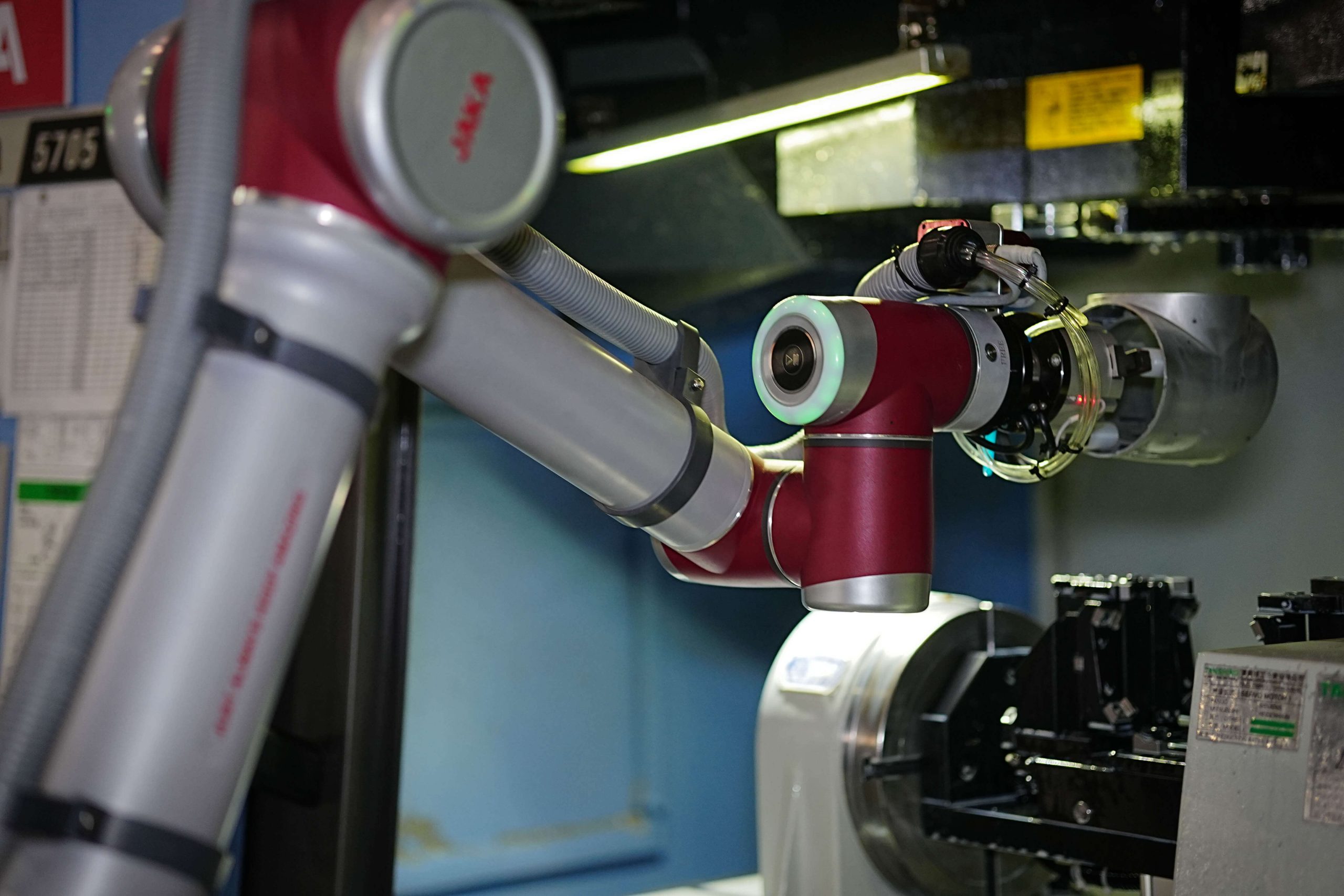
Imagine walking into a buzzing factory, filled with machinery and workers collaborating in perfect harmony. In our fast-paced, tech-driven age, it’s no wonder that automation is becoming more prevalent. With projections stating that this sector will skyrocket, we must delve into the world of industrial cobots. With these robots that work alongside humans, productivity and safety soar. But, what are the hidden truths behind their integration into the workplace? Here, I shall reveal seven fascinating insights that you may not know about industrial cobots.
The Magic of Collaboration
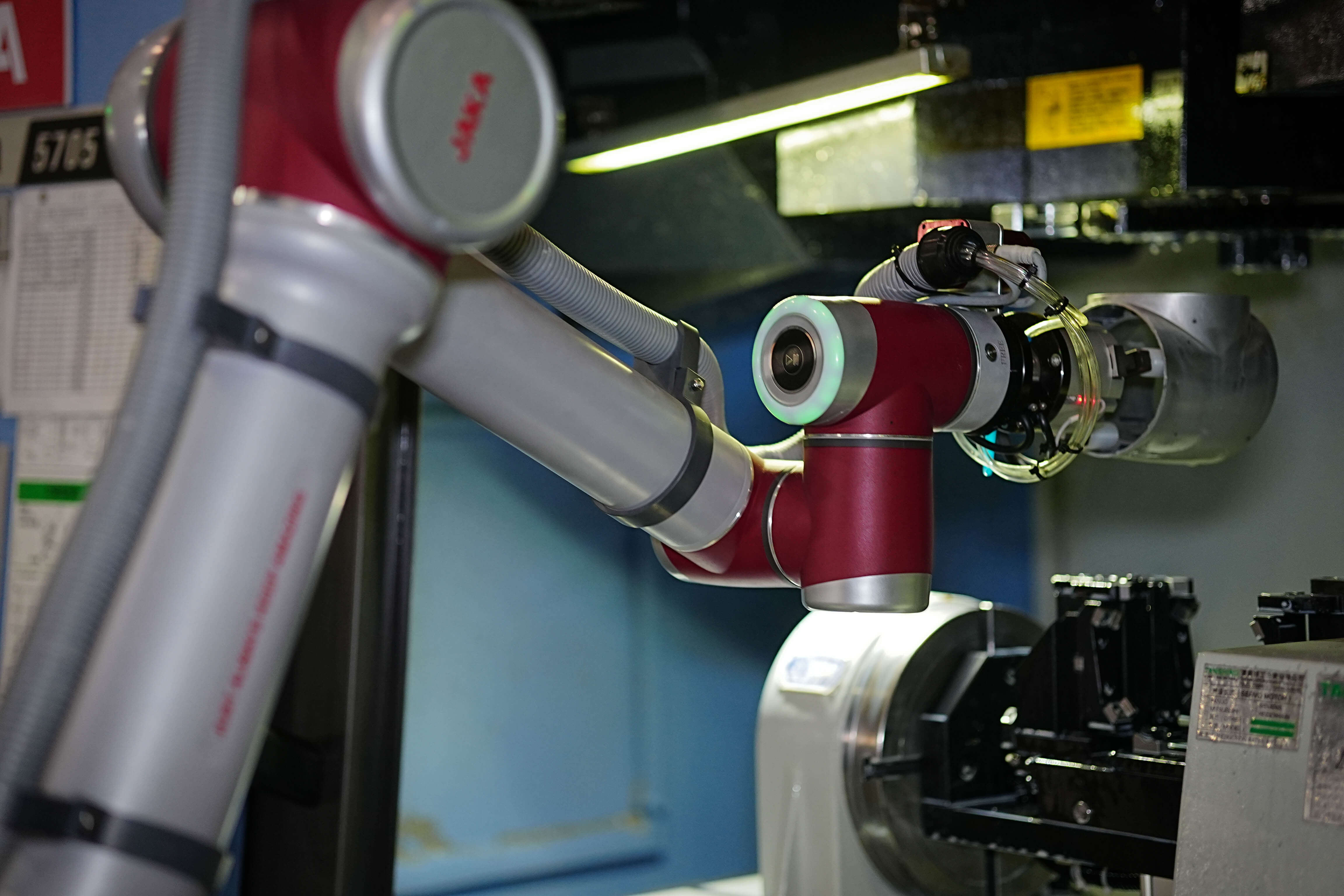
First off, let’s discuss how cobots redefine the workplace. Unlike traditional robots, which are often confined to cages, cobots are designed to work safely alongside humans. They empower employees to carry out mundane tasks, leaving them free to focus on more intricate duties. This symbiotic relationship not only improves efficiency but also enhances job satisfaction. The margin for creativity grows as humans can engage in more fulfilling work. Think of that smile on your colleague’s face when they can finally tackle those complex designs instead of lugging heavy parts around! Signal of change? Definitely.
What Makes Cobots Different?
Next, we turn toward the adaptability of these industrial cobots. They can learn and evolve, thanks to the programming in robotics and autonomous systems that allows them to adjust to various tasks. Whether it’s assembling components or collaborating on quality checks, these robots have an innate flexibility that traditional automation lacks. By using sensors and cameras, they understand their environment and can pivot when things go awry. This is crucial for industries where unpredictability reigns, like automotive manufacturing or electronics assembly. And who doesn’t appreciate a little flexibility?
The Real Pain Points
However, it’s not all sunshine and rainbows. One of the sneakiest traps in implementing cobots is underestimating the need for proper training. It’s easy to assume that just because a machine is smart, it will intuitively understand its surroundings. I vividly recall visiting a factory in Michigan, where a lack of sufficient training led to several near-misses. Workers were uncertain about the robot’s movements, and in one instance, a cobot disrupted an assembly line. While they are built for safety, human error can still rear its head without adequate training. So, ensure your team is well-equipped with the knowledge to navigate these robotic helpers. Knowledge is a must!
What’s Next for Cobots?
Looking forward, the integration of industrial cobots is only set to expand. As more companies invest in robotics and autonomous systems, we will likely witness exponential growth in productivity and safety measures across numerous industries. For instance, imagine automation in agricultural sectors—farmers using cobots to harvest crops efficiently. The future is brighter than ever, with more cobots stepping in to do the heavy lifting literally and metaphorically. Isn’t the prospect of a smoother, more innovative work environment something to look forward to?
Reflecting on these insights, I find myself increasingly convinced that the road ahead is paved with possibilities—if approached wisely. While cobots can drastically improve our work processes, recognizing their limitations and planning accordingly is essential. If I were advising a friend about cobots, I would emphasize focusing on three critical metrics: training preparedness, integration efficiency, and ongoing support. Remember, the journey of working alongside technology can be as rewarding as it is challenging. Embrace the change—it’s happening, whether we’re ready or not.
In the ever-evolving realm of industrial cobots, it’s vital to stay informed and prepared. Those who embrace this new world stand to reap significant rewards. With insights gathered, the next step is clear; connect with experts like JAKA to make the journey a success. Let the robots work for us!