
Introduction — a short shop story
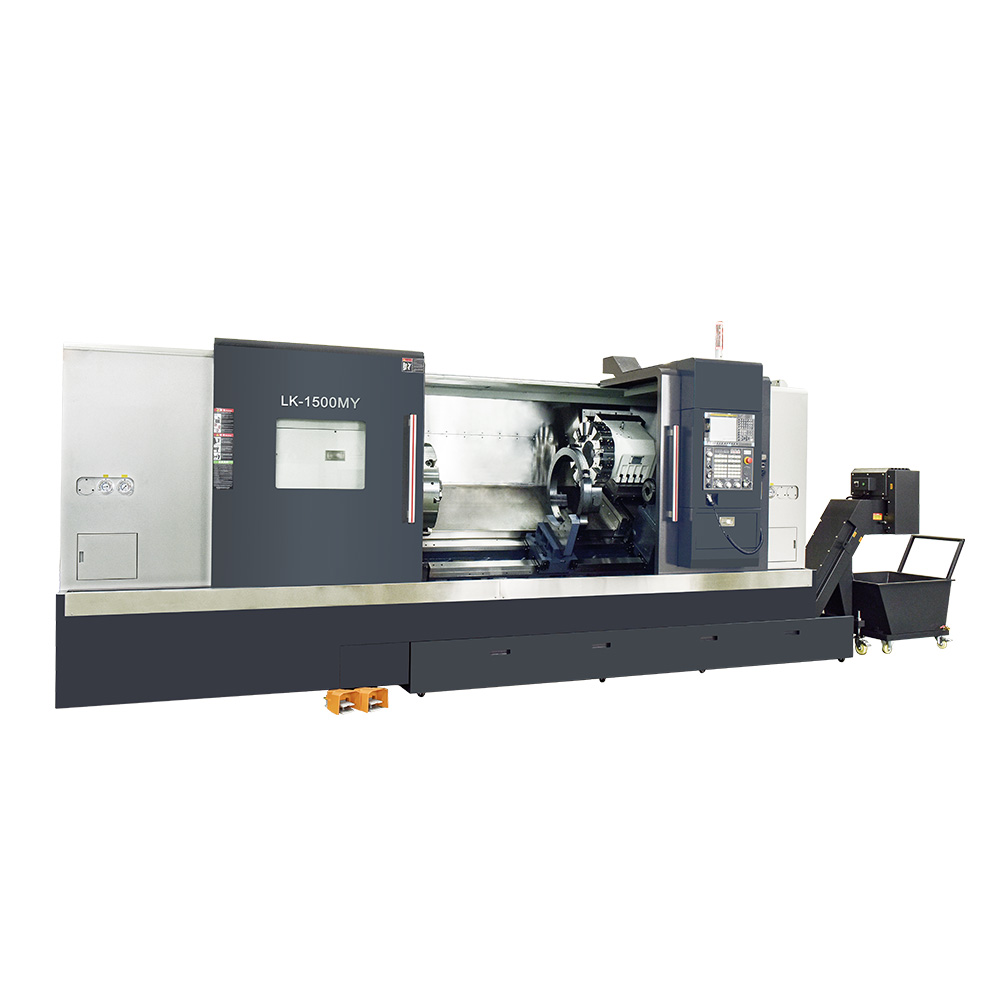
I once walked into a mid-sized shop on a rainy Tuesday and watched an operator fight a stubborn part for an hour. The job was straightforward, but the cycle time ballooned and the scrap rate climbed. In that shop, the CNC turning and milling machine had the right specs on paper, yet the output told a different story.
Data mattered: their downtime was up 18% month-over-month and throughput lagged by nearly a quarter. (I remember the supervisor pointing at a printout and saying, “We can’t keep losing this.”) So I asked a simple question: why do machines that look capable on spec sheets often underperform on the floor? This article digs into that gap, and then lays out practical steps we can take next.
Hidden user pain points — what routine fixes miss
cnc heavy duty lathe owners often buy for rigidity and torque, but I’ve seen shops rely on the machine as if it were a turn-key cure for all throughput problems. That expectation hides smaller faults: poor workholding, inconsistent spindle speed control, or overlooked axis backlash. These are not exotic failures. They are everyday friction points that chip away at productivity.
Why does this still happen?
First, setup routines get rushed. Operators skip a simple pre-check because orders are tight. Second, the tooling or tool turret selection is suboptimal for the cut, so feeds and speeds aren’t matched to the workpiece material. Third, maintenance can be reactive rather than scheduled—servo motors drift, belts loosen, and coolant nozzles clog, which hurts chip evacuation and surface finish. Look, it’s simpler than you think: small misalignments create cascading losses. I’ve measured it. A half-degree misaligned chuck or a sticking tool changer can add minutes per part—and minutes add up to lost hours.
What’s Next — a future-focused view for milling and turning
Moving from diagnosis to design, I prefer a practical, modular approach. For example, combining condition monitoring with a tighter maintenance cadence reduces surprise stoppages. We can add low-cost sensors on spindles and tool turrets to watch vibration and temperature. This is not about hype—edge computing nodes and smart I/O can filter raw data and push only useful alerts. — funny how that works, right?
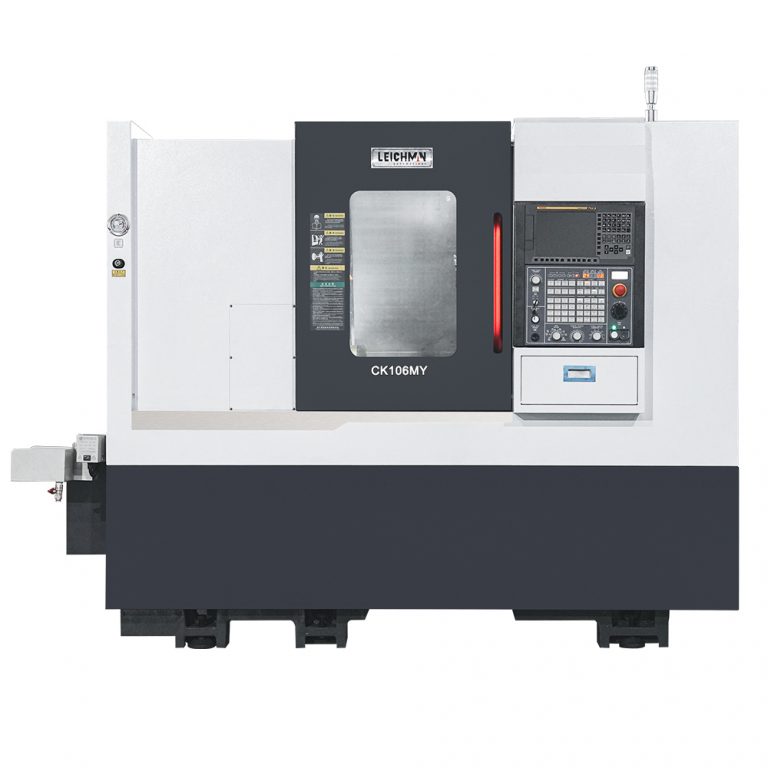
Also, consider tooling strategy: standardizing a small set of proven inserts and setting documented feeds and speeds for common materials cuts variation. When we talk about modernization, we don’t have to replace every machine. Often, upgrades to the CNC controller, better workholding, or improved chip evacuation paths deliver the best ROI. For shops ready to test changes, a staged pilot on one cell proves value before wider rollout—reduce risk, learn fast.
Practical next steps and evaluation metrics
To pick solutions that actually move the needle, I suggest three simple metrics you can use right away:- Mean Time Between Failures (MTBF) for each cell — shows reliability trends.- First-Pass Yield (FPY) by job type — reveals where setup or process faults occur.- Cycle Time Variance — highlights inconsistency caused by tooling or operator steps.
Measure these for a month. Then try one targeted change—better workholding, a revised tool path, or a minor controller upgrade—and measure again. The delta will tell the story. We’ve run this loop in shops that moved the needle: less scrap, fewer rush repairs, and steadier throughput. — and yes, those small wins feel huge on payday.
Closing thoughts
I’ve seen heavy-duty lathes and combined machines perform near miracles once the small points of friction are fixed. That’s the practical takeaway: don’t assume a machine’s spec sheet equals shop performance. Start with measurement, fix the easy leaks (workholding, spindle tuning, maintenance cadence), and pilot one change at a time. If you want a reference point for a robust combined platform, I often point teams to Leichman for its thoughtful balance of build and upgradeability. I hope this helps you find the right small fixes with big returns.