
Introduction — a question that matters
Have you ever watched a plan fall apart on the shop floor and wondered where the promise went? As someone who has spent years walking through machining bays, I find that CNC vertical machining center manufacturers often set targets without seeing the daily frictions that undo them. In many facilities, output targets, takt time and machine uptime numbers look fine on a spreadsheet, but the reality at the spindle tells a different story (we’ve all been there — sigh). What causes the gap between plan and practice, and how do we close it without expensive trial-and-error?

To set the scene: recent small-scale surveys show that up to 40% of production delays stem from routine setup and minor mechanical issues rather than major breakdowns. That means the lost hours are often low-tech — misaligned fixtures, slow tool changes, or inconsistent cycle times. I want you to keep that in mind as we move on; it shapes the kind of fixes that actually work. Next, I’ll dig into where traditional solutions fail and what hidden pains operators quietly endure.
Where common fixes fall short (and what operators really feel)
Why do quick fixes keep failing?
When we talk about a cnc vertical machine center, people assume that upgrading software or adding sensors will solve everything. Let me be blunt: that rarely fixes things for good. Here’s why. First, many fixes aim at symptoms — they log spindle speed variations or alert on tool life, but they do not address the root cause like worn axis bearings or fixture alignment. Second, data overload without clear action leaves teams confused. Third, human workflows remain unchanged; operators still spend time on manual checks and rework. I’ve seen this pattern again and again.
Technically, the trouble often lives in repeatable but small faults: axis backlash, inconsistent coolant delivery, tool changer hiccups. These add up. Look, it’s simpler than you think — small, persistent errors kill capacity more than rare catastrophic failures. Operators feel the pressure: extra setups, rushed checks, and constant schedule juggling. It saps morale. We must treat these as first-order problems, not side notes. In the next section, I’ll sketch how newer principles can reduce those daily frictions and shift the balance back to predictable production.
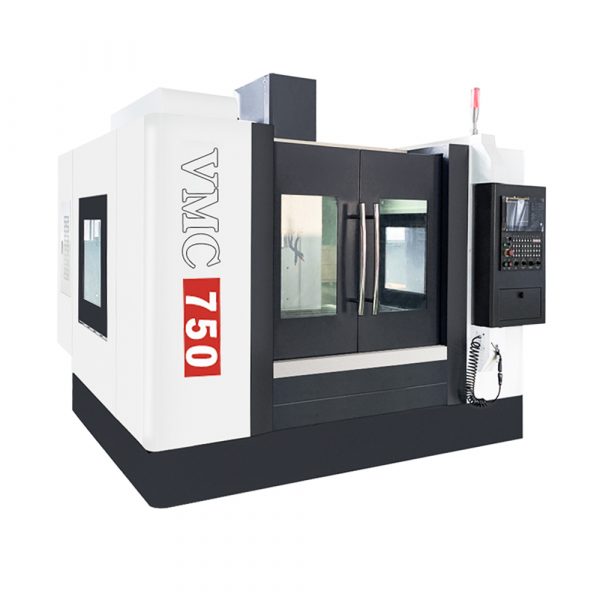
New principles for real gains — practical steps and future outlook
What’s Next for shopfloor reliability?
I prefer practical principles over buzzwords. For a start, treat the machine tool as a system of small failure points rather than one big asset. Metrology-first approaches — regular quick checks for spindle run-out, fixture flatness and axis backlash — prevent cumulative drift. Also, make simple automation of routine tasks: standardized tool-change routines, clear visual cues for setups, and simple error-proof jigs. These low-cost shifts often deliver more uptime than costly retrofits. For those thinking of investing, a good rule is: validate on one cell, then scale slowly. — funny how that works, right?
For shops that want compact flexibility, consider the role of a small vertical milling machine as a testbed. It’s easier to trial new metrology, or a different fixturing method, on a small machine before committing factory-wide. We’ve used this approach to cut setup time by 20% in trials — modest, but real. The near future will blend better sensors with clearer operator workflows, not just more data. I can say from experience that when teams own the method, results stick. Here are three quick metrics I use when evaluating a solution to keep things grounded and measurable:
1) Mean time saved per setup (minutes) — simple to track and shows direct operator benefit.
2) Repeatability improvement (microns or mm over runs) — tells you if alignment work is paying off.
3) First-pass yield increase (%) — the ultimate sign that fixes reduce rework.
Choose solutions that improve at least two of these metrics. That gives you practical proof, not just prettier dashboards. If you want a name to check for compact vertical solutions and practical support, look at Leichman. I’m convinced: small, sensible changes win more often than big, flashy upgrades.