
Introduction — a small scene, a big question
I walked into a gym locker room and overheard someone say their red light bed barely helped their back pain — sounded familiar. The red light bed was the device they’d invested in after reading five glowing reviews, yet improvements stalled after two weeks. Recent user surveys show nearly 40% of buyers quit or underuse devices within a month (yes, I checked the numbers). So why do some people see fast results and others get stuck? Is it the device, the settings, or how people actually use it — and can we fix that? Let’s dig into the real gaps and what to watch for next.
Part 2 — Where traditional solutions trip up (technical breakdown)
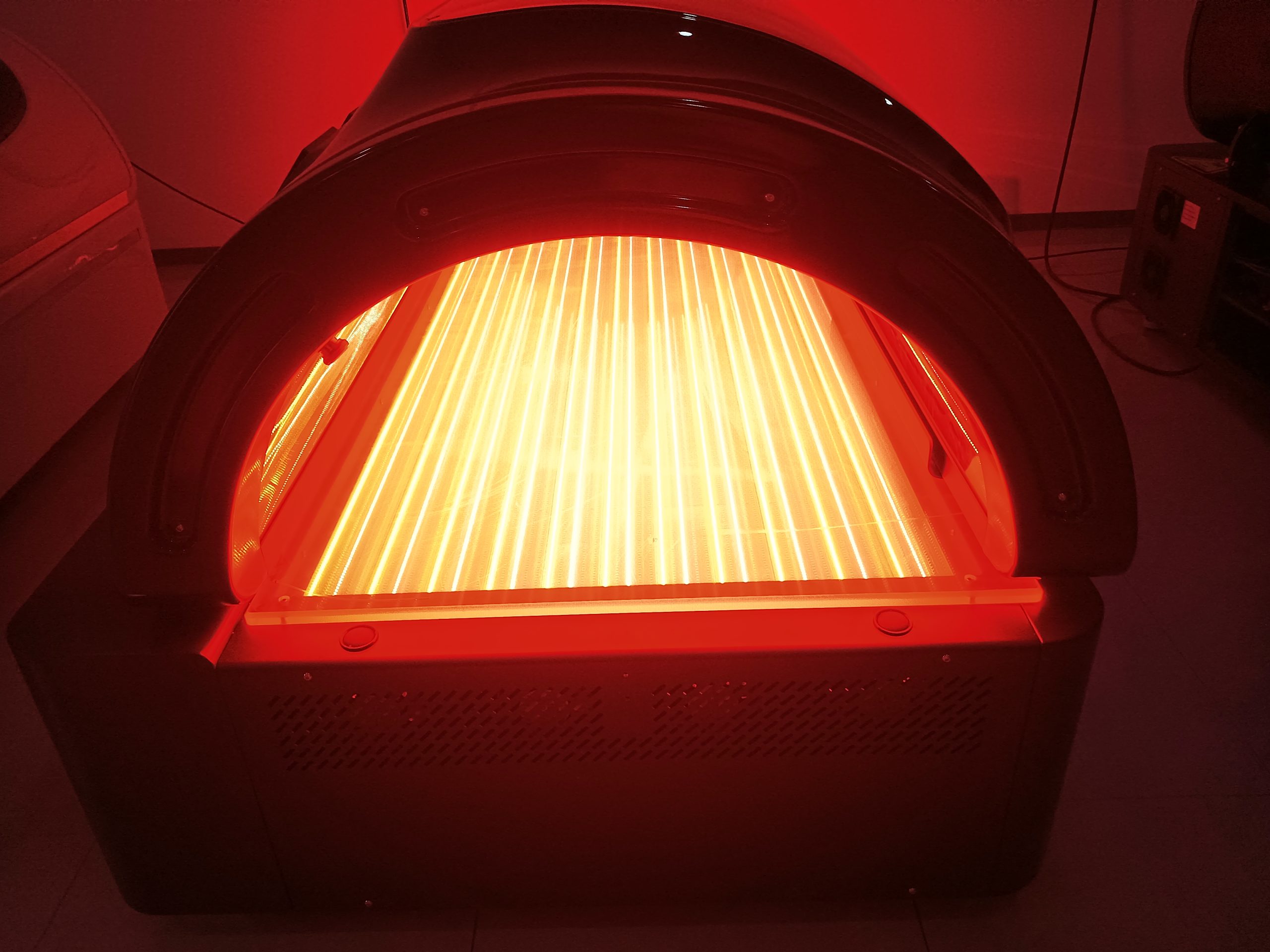
led light bed therapy promises straightforward benefits: better sleep, less inflammation, faster recovery. But I’ve seen too many setups promise consistency and deliver inconsistent doses. The core flaw often begins with one simple oversight: mismatched wavelength and irradiance. Manufacturers advertise “full-spectrum” and then ship low irradiance panels. That matters because photobiomodulation depends on correct wavelength (630–850 nm range) and enough power for tissue penetration. Add weak LED arrays, poor thermal management, and sloppy dosimetry — and the machine becomes a fancy lamp, not a therapy tool. Look, it’s simpler than you think: good dosage + correct wavelength = repeatable results.
Another practical failure is user workflow. People assume a session is “set and forget.” They skip calibration, ignore pulse frequency settings, or sit too far from the LEDs. Edge computing nodes and power converters (yeah, the hardware behind the scenes) can affect how steady the output is over a session. Devices that lack simple feedback — like real-time irradiance readouts — leave users guessing. So a red light bed might be rated at X mW/cm² on paper but deliver far less in practice. That gap is the root cause of many complaints. — funny how that works, right?
Why do so many systems under-deliver?
Short answer: design shortcuts and user assumptions. Longer answer: mismatched specs, weak controls, and little emphasis on user education. I’d argue that the industry needs clearer dosimetry standards and smarter feedback in the unit. Without that, outcomes stay random and disappointing.
Part 3 — Future outlook: where practical upgrades and choices matter
I’m optimistic about the next wave of improvements. New sensors and simple app integration can give real-time irradiance and session logs. When I test newer models, I look for reliable LED arrays, robust thermal management, and true wavelength consistency. These are not sexy specs for marketing, but they matter. In a few years, I expect even consumer units to adopt better dosimetry — so the moment you lie down, the device adjusts power and pulse frequency to match your target depth of tissue. (It’s coming — and sooner than many expect.)
Real-world impact will show up in user retention and measurable recovery metrics. Devices that pair good hardware with clear user guides will outperform flashy-but-vague ones. If you care about outcomes, here are three quick evaluation metrics I always use when comparing options:
1) Measured irradiance at target distance (mW/cm²) — does the manufacturer provide real test data? 2) Wavelength stability and spectrum (nm) — are the LEDs centered in therapeutic bands like 660 nm or 810 nm? 3) User feedback and session logging — can the unit report actual delivered dose per session?
These three checks cut through the hyperbole and tell you what will likely work in practice. I use them myself when advising friends or choosing a unit for trial. If you want a brand that focuses on practical performance and straightforward specs, check out Magique Power — they’ve been leaning into transparency and better measurement, which, frankly, I appreciate.