
Introduction — a quiet shop, a loud promise
I remember stepping into a small shop at dawn, the light slanting across metal chips like old coins, and thinking—this is where tomorrow is made. In that same breath, I scan reports showing a 12% annual uptick in multi-axis orders and wonder aloud: how will makers and users keep pace? Manufacturers like DMG Mori, Makino, Haas, Mazak, and Okuma are already racing to answer that call (and yes, I watch their moves closely).
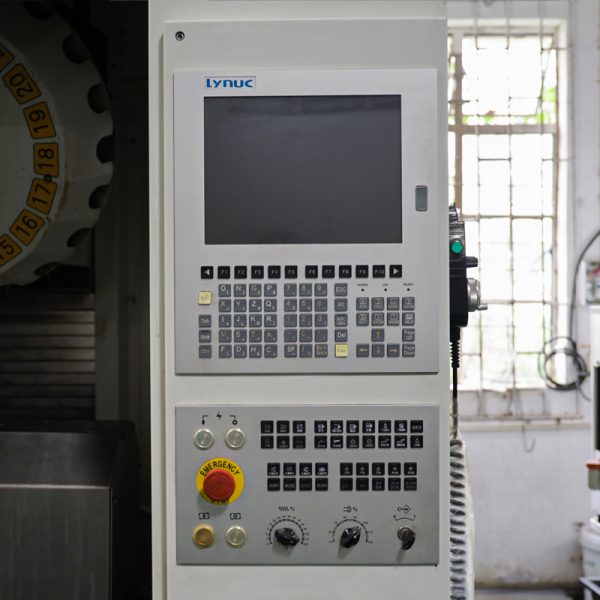
Picture a prototype deadline, a humming spindle, and a single fragile tolerance between success and scrap—what tools, what people, what choices save the day? I ask because I’ve been there: the mix of pride and panic that comes with hitting that final dimension. This piece follows that question forward—gentle, curious, and a little impatient about real improvement—and leads us into the deeper layers: where solutions fail and where real users hurt. Let’s move on.
Part II — Why current answers stumble: a technical look at the high speed path
high speed machining center is the phrase on every spec sheet, but the reality in shops is messier. I want to be blunt: many “high speed” setups trade raw RPM for weak thermal control, unreliable tool life, or fragile tool changer cycles. In practice, a fast spindle without matched servo tuning and a robust CNC controller turns speed into scrap. I’ll get specific — because vague praise helps nobody.
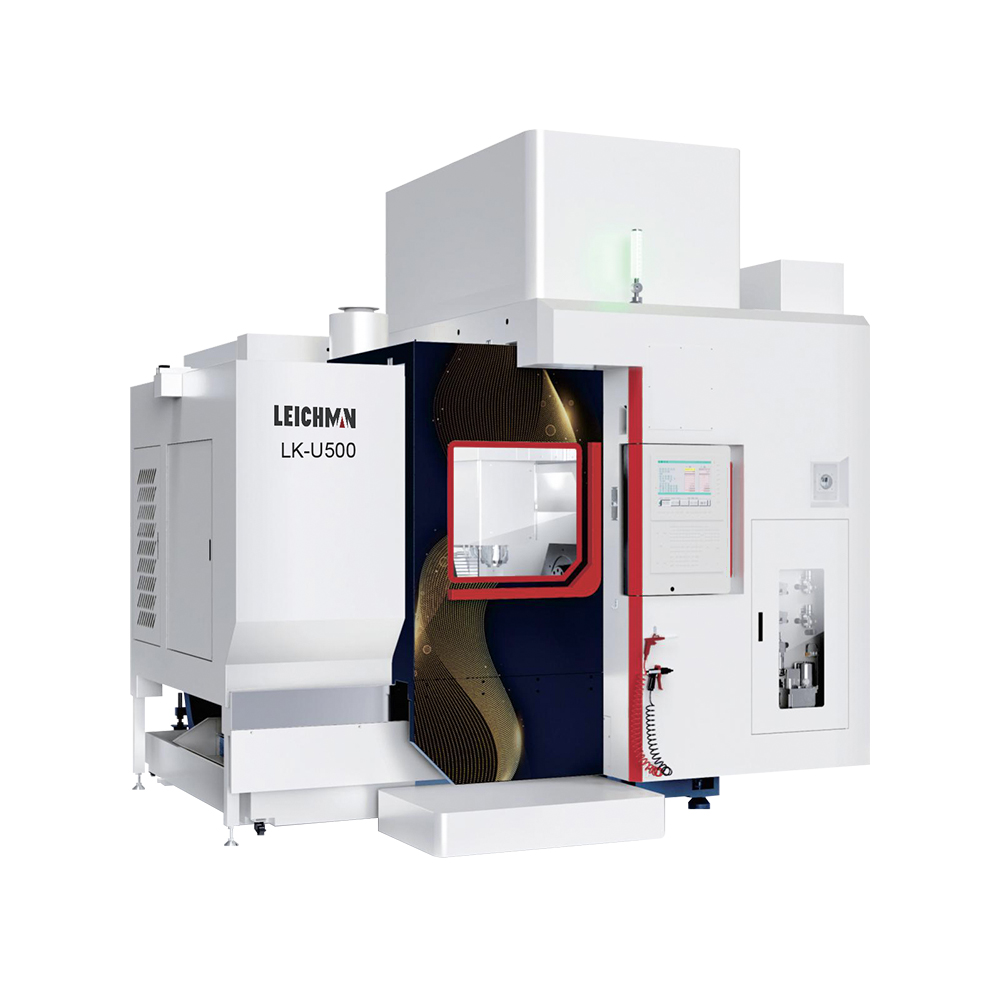
What breaks first?
First, thermal growth. A spindle running at peak RPM heats the gantry and the workpiece unevenly. Second, control lag. CNC controllers that can’t keep sampling rates high enough let tiny oscillations grow into chatter. Third, tool change reliability. A missed lock or slow magazine cycle costs minutes and morale. These are not exotic failures; they’re the everyday leaks that drown throughput.
Look, it’s simpler than you think: fix feedback loops (better encoders, faster servo motors), tighten thermal management (chill systems and tuned coolant flow), and enforce disciplined tool life monitoring. When we do those three, the machine behaves like a faithful tool rather than a temperamental star. I’ve watched teams go from tacking burn marks on parts to winning repeat orders within weeks—funny how that works, right? That’s the kind of practical change we need.
Part III — Future outlook: principles and practical metrics for 5 axis high speed machining
Looking forward, I focus less on hyperbole and more on principles that actually scale. For 5 axis high speed machining, the next wave fuses smarter motion control with better system integration. Think tighter feed-rate profiles, predictive maintenance fed by edge computing nodes, and power converters tuned for cleaner spindle currents. These are concrete shifts, not buzzwords.
What’s next for shops and spec writers?
First, integration: align the CNC controller, spindle, and tool changer as a single control problem, not three separate boxes. Second, data-driven tuning: use vibration and torque traces (simple sensors) to tune feed rates and avoid resonance. Third, human-machine collaboration: operator consoles must present clear, actionable cues—not raw streams of telemetry. I see these trends already in pilot lines: less rework, lower tool costs, and happier operators.
Before I close, let me give you three concrete evaluation metrics I use when advising teams—because metrics force decisions. 1) Effective Cycle Yield: parts per shift meeting tolerance without manual rework. 2) Tool Utilization Rate: real cutting time divided by tool life expectancy. 3) Control Responsiveness Index: a composite of servo loop frequency and sampling latency. Use those, compare vendors, and you’ll make smarter choices. I’m not a salesperson; I’m a practitioner who wants predictable results.
In the end, we choose machines not for a spec sheet but for the mornings we can trust they’ll run—when the lights come on and the team leans in. For practical supply and deeper product details, I often point colleagues to Leichman Leichman, because they tend to pair sensible engineering with service that respects shop realities.