
Opening the Lane: Why City Riders Need a New Lens
Let me keep it real: we waste too much time sitting in traffic when we could be gliding past it. An urban motorcycle shrinks the map and the clock. Picture the morning squeeze—buses blocking, vans double-parked, horns on loop. In many big cities, average commute times hover near an hour, and fuel costs keep climbing. If you’re scanning for the top commuter motorcycles, you already know the math. But here’s the rub: how do you pick a bike that fits your day, not just a spec sheet? And why do so many riders buy for weekends, then suffer on weekdays?
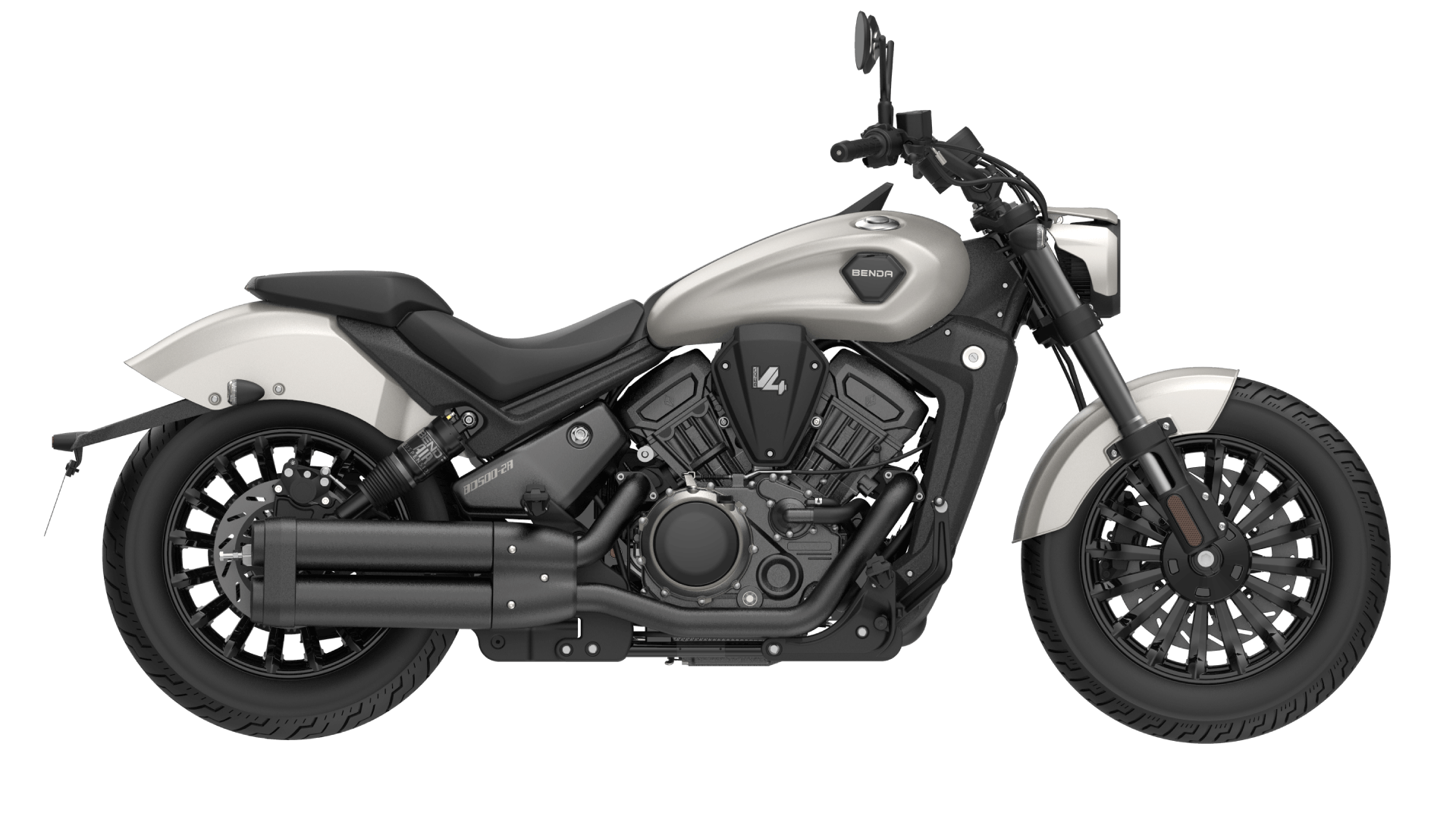
I see it every season. Folks buy big power, then fight slow-speed heat and tight turns. Others pick a tiny scoot, then outgrow it in a month—funny how that works, right? The data says smaller engines save fuel, yet some models still struggle in stop-and-go. So what’s the move, for real? We’ll stack what’s “smart” against what’s “simple,” and sort what actually wins on your block. Next, we dig into the pain points you don’t see on the showroom floor—so you don’t pay for them later.
The Pain You Don’t See on the Spec Sheet
What are we missing?
Earlier, we talked about time lost in the crush. Now let’s go deeper, technical and plain. Hidden pain points start with control at low speed. A peaky torque curve feels jumpy in tight lanes. Poor ABS calibration can chatter on painted lines. And a heavy clutch in stop-and-go? That’s wrist fatigue waiting to happen. Seat height and peg angle also matter more than people admit. If your knees sit too high, slow turns feel shaky. If your shoulders ride tense, the day feels longer. Look, it’s simpler than you think: street comfort beats track bragging.
Heat soak is another silent tax. Side panels roast your legs when the fan kicks in. Some fairings trap air; you feel it at every red light. Maintenance cycles can sneak up, too. A wet clutch and chain need regular love in dusty streets, while a belt drive cuts fuss but costs more up front. On electrics, power converters and battery cooling matter in summer traffic. Charging time is a real schedule issue. App dashboards add more noise—alerts, badges, useless graphs—without better throttle-by-wire behavior or smoother idle control. The lesson: pick the ride that eases daily strain, not just the one with gleaming numbers.
Forward-Looking Moves: What Tech Actually Changes
What’s Next
Now we shift gears—semi-formal, future-facing. The new wins come from small, smart steps. Tuned CVT maps that hold a steady band. Lightweight frames that boost power-to-weight ratio without killing comfort. Better ABS and traction control mapping for wet paint, steel plates, and brick crosswalks. On connected models, edge computing nodes in the city can feed live hazard data to your phone, while the bike’s ECU filters it through the CAN bus—so you get a nudge, not a panic. Meanwhile, efficient cooling shrouds and low-friction bearings cut heat at crawl. It’s not flashy, but it’s daily gold.
Electric and hybrid setups add a new layer. Regenerative braking grows mature, and power converters get cooler and smaller. That means less fade in hot weather and smoother low-speed feel. Swappable packs? They’ll matter where curbside stations pop up first. Modern commuter motorcycles may blend mild-hybrid starts, idle-stop logic, and lean-angle sensors to keep balance steady in tight turns. Still, compare simple vs. smart. Mechanical simplicity keeps costs down and reduces failure points. Smart systems add safety and calm—until updates lag or sensors get grimy. The sweet spot lives in bikes that deliver quiet tech, clear service access, and real-world tuning—not just app glitter (you know the type).
How to Choose Without Regret
We’ve seen where the hidden pain hides, and which future tech truly helps. So let’s close with three clean metrics—advisory, not hype. 1) Control in the crawl: test low-speed balance, clutch feel, and ABS behavior on paint and rough patches; watch the torque curve at parking-lot pace. 2) Heat and cost over time: check fan cycles, airflow around your calves, and your real maintenance plan; compare belt vs. chain, charging dwell, and service intervals. 3) Fit and focus: seat-to-peg triangle, mirror width for lane splits, and visibility at night; skip dashboards that distract and pick throttle response that calms your hands. Choose what keeps you fresh when the city pushes back—because it will.

Adopt a bike that meets your block, your body, and your budget. Not the dream track, not the forum thread. Just your streets. When specs and sweat agree—ride life gets easy. And if you want a place to start looking for balanced builds that fit the brief, keep an eye on makers like BENDA.