Introduction: Porch-Light Moments and Hard Truths
I was standing on the porch, late, when a cousin slipped off her grandma’s ring and said, “Tell me if it’s worth fixing.” Among classic jewelry pieces, that little pear glowed warm, soft as a lantern on a foggy ridge, and it carried more stories than a church dinner line. If you’ve ever eyed an antique pear cut diamond, you’ve seen how it charms—wide shoulders, a sweet point, old-world fire. But here’s the data folks rarely say out loud: most estate pears I check under a loupe show a thin girdle, a tilted table, or faint fluorescence that plays different in daylight versus LEDs (y’all know those shop lights). So, how do you keep the soul of an heirloom without fighting its quirks every time the lighting shifts?

Let’s walk through the snags, the fixes, and what modern cuts teach us—then compare options that don’t feel like compromises.
Part 2: The Hidden Snags Behind Old Pear Romance
Where does an old pear lose performance?
Technically speaking, the antique pear has two common pain points: stability and light control. First, stability. A thin girdle near the tip cracks easy under prongs, and a shallow pavilion risks chipping when resized. That’s why many vintage settings favor a bezel at the point—extra metal, less stress. Second, light control. If the crown is low and the table broad, you’ll often see a soft “bow-tie” across the belly in mixed lighting. That’s not bad in itself; it’s just inconsistent. Under LEDs it looks crisp; under warm bulbs it can dull. Look, it’s simpler than you think: symmetry and polish matter more here than raw carat weight. A slightly taller crown, better pavilion angles, and a clean culet edge can raise brilliance without changing the face-up size. But traditional fixes—like tightening prongs or adding a halo—treat symptoms, not the geometry.
Now, the user side—comfort and upkeep. Old pears snag fabric because the point sits proud. A pavé band adds sparkle but collects lint; cleaning becomes weekly, not monthly—funny how that works, right? And if fluorescence leans medium to strong, that lovely glow outdoors might go chalky under some retail lights. None of these kill the magic, but they stack up. If you love the sentiment yet want fewer headaches, match the setting to the stone: a half-bezel to guard the tip, tapered shoulders to center weight, and prongs that align with the girdle—not the table. Small moves, big gains.

Part 3: Comparative Outlook—Old-Soul Pears vs. Next-Gen Precision
What’s Next
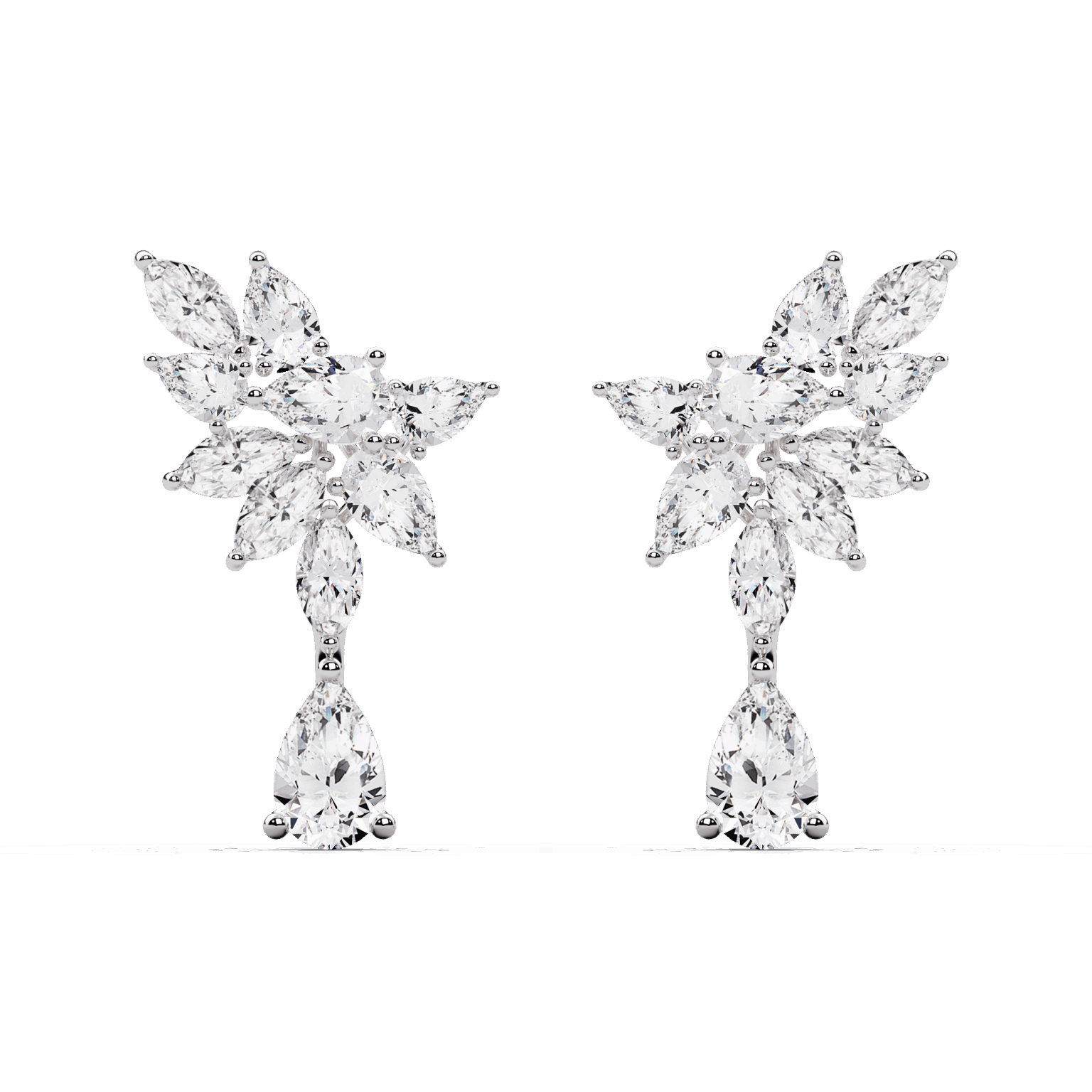
Here’s the forward look: new cutting models use ray-tracing and reflector mapping to tune pavilion depth and crown height for steadier scintillation across lighting types. In plain speech, they push more light where your eye can use it—less dead zone, more return. Compare that to many antique pears, which were cut for candlelight and soft gas lamps. Side by side, a tuned pear will outplay a vintage one in office LEDs, while the antique still wins charm points in warm, low light. If you’re weighing options, a modern pear with classic proportions—or a sleek alternative like a marquise lab grown diamond—can mirror that elongated elegance with cleaner symmetry. And lab-grown adds another tool: consistent lattice quality and fewer variables in fluorescence or strain.
Real-world Impact: I’ve seen two near-identical heirlooms get very different results. One kept a high, old pavilion and moved to a protective half-bezel—durability jumped, bow-tie softened. The other recut the crown slightly and rebalanced the pavilion; face-up size stayed near equal, brightness improved in stores and daylight. Different paths, same aim: reduce stress at the point, boost light return, preserve silhouette. Advisory closeout—three metrics to guide choices: 1) Light behavior across environments (check diffusion under window, LED, and lamp), 2) Structural protection (girdle thickness at the tip, bezel or V-prong coverage), 3) Symmetry and polish (table alignment, facet meet points, and pavilion depth within target bands). Do that, and you keep the heart of the piece without babysitting it—honest as a creek in spring. For deeper study and specimen variety, see Vivre Brilliance.