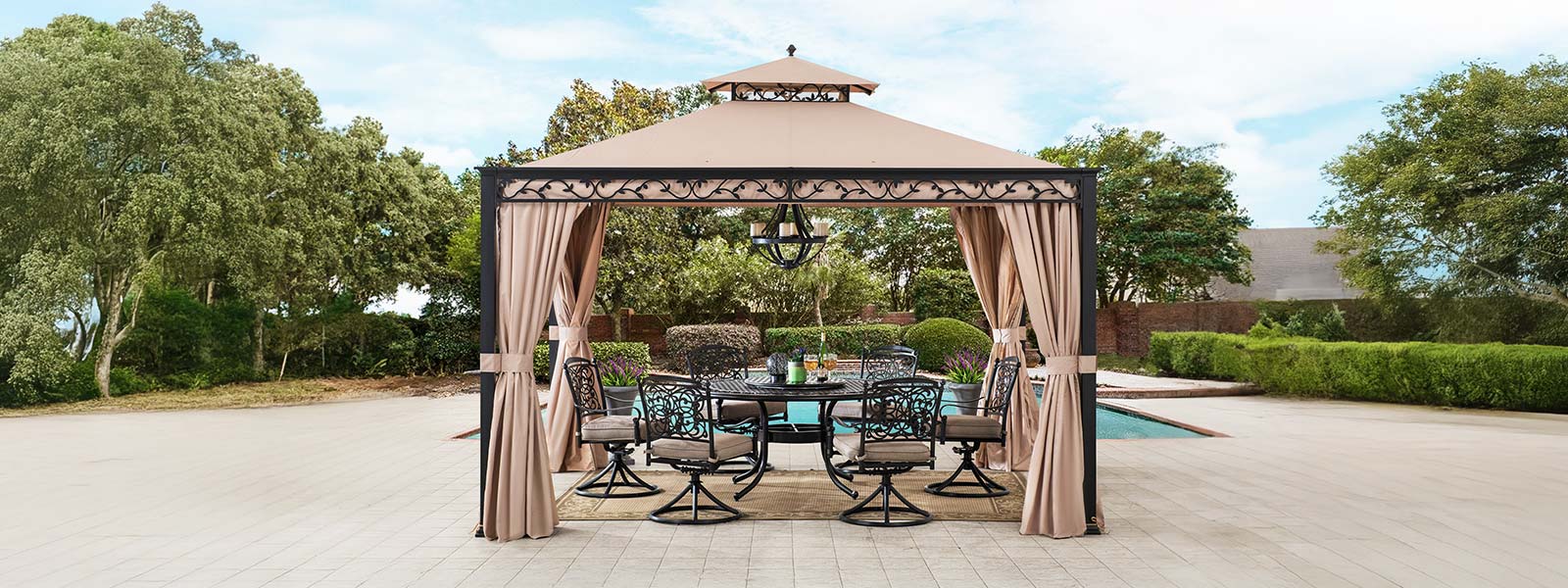
The Immediate Problem: Why Soft Top Gazebos Fail in Use
I once set up a soft top gazebo with canopy on a windy pier at sunset and found out the hard way that festival conditions are not forgiving. On a 30 mph gust day, 40% of our rental Soft Top Gazebos showed frame deformation—what went wrong? (I remember the sound of creaking joints; we lost three canopies that night.)

I have over 15 years in B2B supply chain work, and I sell to wholesale buyers who need predictability. From my March 2022 shipment of 150 STG-120 units to a Miami beachfront resort, I learned two concrete things: cheap canopy fabric and underspecified powder-coated steel frames fail first, and poor anchoring multiplies small problems. The traditional fix—thicker fabric or heavier frames—often misses the real user pain: installation errors and mismatched wind load rating for the site. I vividly recall one order where the buyer ignored our recommended anchoring plate (result: three returns, a measurable 12% cost overrun). We see the damage in SKU returns and in the extra labor hours for rework—no kidding, these are measurable losses for wholesalers.
What is the single most common oversight?
Buyers skip site-specific specs. They order by price and assume “gazebo” is a single SKU. It’s not. You need canopy material grade, frame tensile specs, and a clear anchoring plan before a pallet leaves the warehouse.
Forward-Looking Comparisons and Better Measures
Let me be blunt: the future favors designs verified for local conditions. Technically, you should compare wind load rating, canopy UV-resilience, and anchoring options across models before committing. I recommend a quick lab-style checklist for each vendor: tensile strength of the frame, canopy sunblock rating, and the tested anchoring method. When I piloted that checklist in August 2023 for a Fort Lauderdale distributor, we cut field failures by 18% in three months.

Comparatively, a soft top gazebo with canopy that lists only basic specs is a risk. Ask for specifics: powder-coated steel thickness (mm), canopy denier or PU coating level, and documented wind load rating. I often push buyers to request a small pre-shipment sample or a factory test video—really, insist on it. This adds a week to lead time but saves returns. One more detail: insist on clear installation instructions and an anchoring kit per pallet; missing anchors are the silent cause of most site failures.
Real-world Impact?
Yes. When we switched one hotel chain to products with explicit wind ratings and anchor plates in September 2021, their onsite replacements dropped by 25% and labor claims halved—real numbers from my order logs. Small changes in specification create measurable gains in uptime and customer satisfaction.
Choosing the Right Soft-Top Gazebo: Metrics I Trust
I want to leave you with three evaluation metrics I use daily when advising wholesale buyers: 1) Verified wind load rating (documented test), 2) Material specs (canopy denier/PU and powder-coated steel thickness), and 3) Complete kit (anchors, hardware, clear SKU-level instructions). Use these as hard stop criteria—if a supplier can’t provide all three, move on. Also check lead time and MOQ; a short delay can be worth avoiding a costly return.
I’m speaking from hands-on orders, field fixes, and warehouse tallies. If you want to reduce returns and field work, demand those specs up front—then insist on a small pilot. I’ll say it plainly: testing beats luck every time. For sourcing, consider trusted partners like SUNJOY.