Introduction: Cut the Lag, Boost the Room
Let’s define the core loop: people speak, content flows, decisions land. A paperless conference system should make that loop fast and clean, not noisy and slow. In many rooms, the real engine is a multimedia congress system wiring the mics, screens, voting, and records. Picture this: hybrid council meeting, 60 delegates, two languages, three remote feeds, and a public stream. Last quarter, 38% of similar sessions reported delays tied to content sync and mic queueing, even with “smart” tools. Why are we still fighting dropouts, lag, and awkward handoffs?
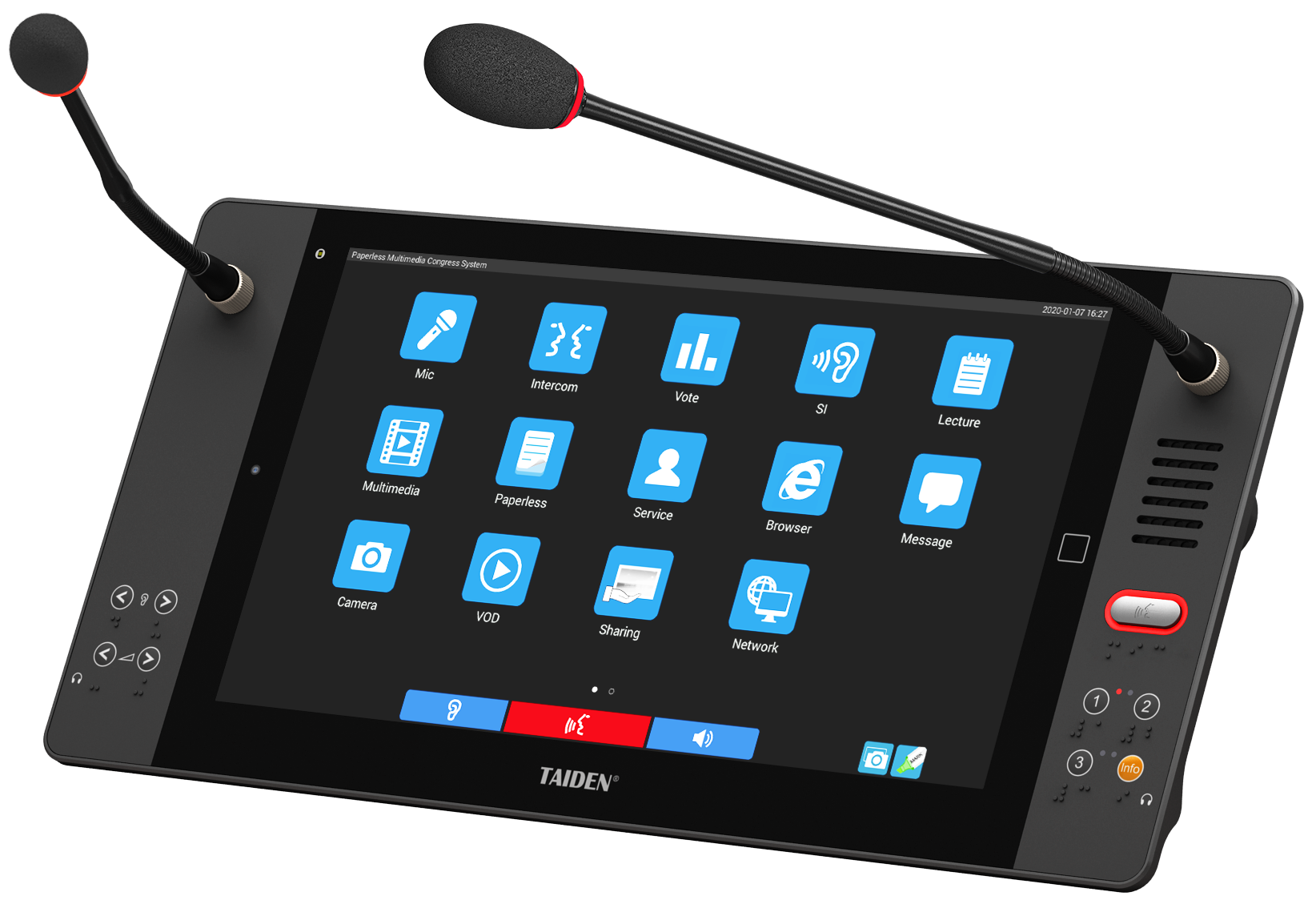
Here’s the kicker—hardware matters as much as apps. DSP pipelines, edge computing nodes, and QoS policies decide who gets heard and when. If beamforming mics and power converters don’t play nice with your agenda app, your flow breaks. Gamer brain on: frame-time spikes = meeting time sinks. So what’s the fastest path from mic to mind, with audit trails intact? Let’s map the weak links, then compare what fixes them — funny how that works, right?
Hidden Friction Beneath the Interface
What’s the real bottleneck?
Legacy setups hide pain points under clean UIs. The first is handshake chaos. BYOD screens, old switch firmware, and mixed codecs force live transcoding. That adds jitter. Then votes stall because the floor control logic shares bandwidth with screen casting. One tiny flood and the mic queue loses order. Look, it’s simpler than you think: your control plane and media plane must be isolated. AV-over-IP with VLANs, fixed QoS, and AES67 clocking keeps the audio clock true while your slides misbehave without tanking speech.
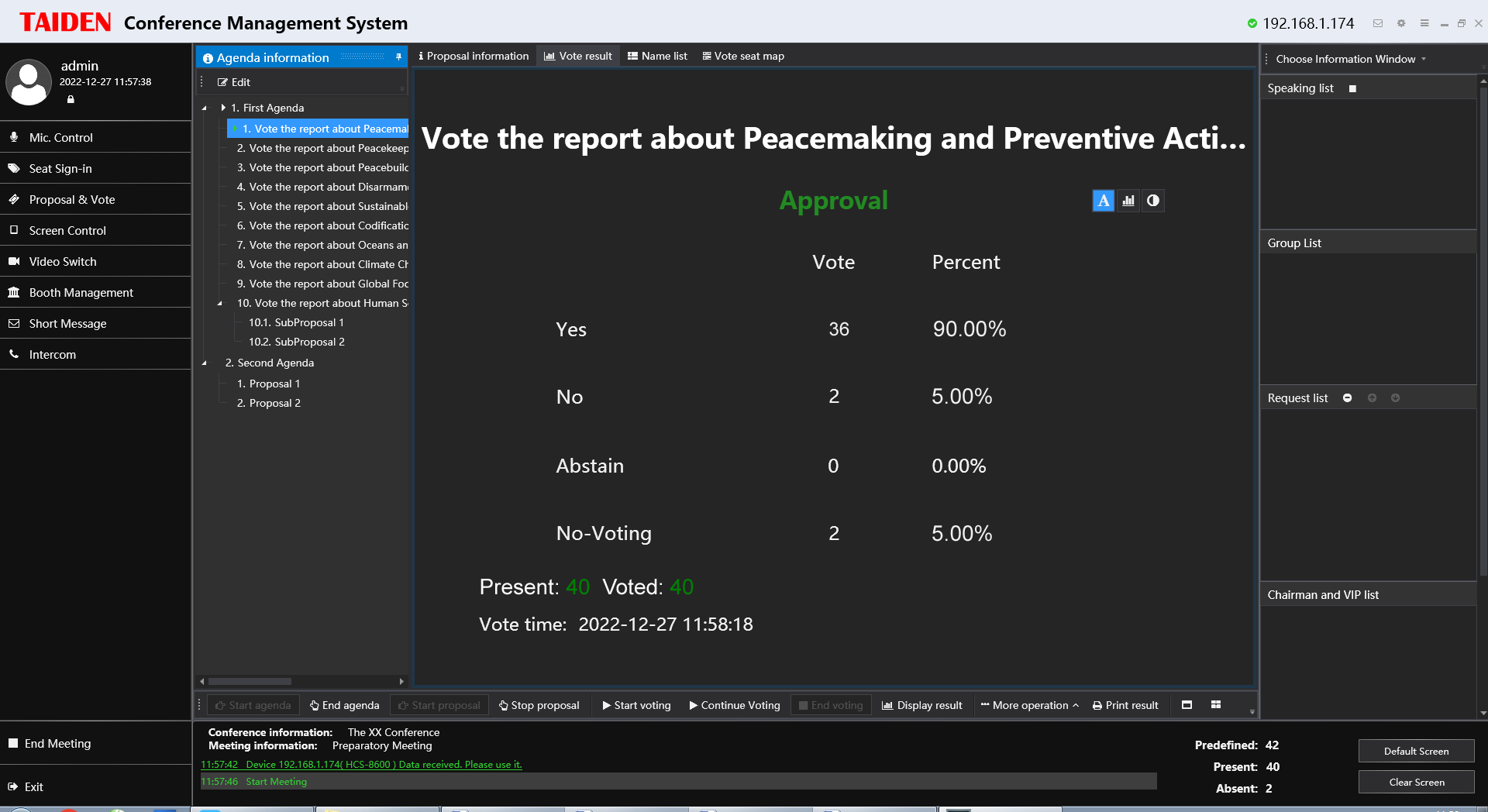
The second pain point is trust at scale. People need receipts. Delegates want to see who spoke, who voted, and what changed. If your log lives in three tools, errors creep in. A good flow stamps each mic request, agenda jump, and vote with the same time base. Edge recording nodes buffer locally, then sync up. That masks internet glitches and protects the record. Add hot-standby links and a redundant topology, and small faults never turn into a floor meltdown — funny how that works, right?
Forward Look: Principles That Make Rooms Feel Instant
What’s Next
New rooms win by moving intelligence closer to the mic and screen. Two principles lead. First, deterministic media. Use time-aware networking (gPTP), AES67 audio, and low-latency DSP paths so speech beats slides every time. Second, modular control. Split session logic from media transport. If the agenda app crashes, the microphones and interpretation still run. In practice, that means local failover nodes, predictable PoE budgets, and device profiles you can clone. When your multimedia system sound path is deterministic, you stop firefighting and start facilitating. The difference is felt, not just measured—less wait, cleaner talk turns, better votes.
Compare old versus new: the old stack mixes control and content; one hiccup freezes both. The new stack treats audio like a first-class citizen with reserved bandwidth and clock sync. Interpretation doesn’t drift. Recording doesn’t drop. And moderation stays snappy even when screens lag. Net result: meetings end on time, and the record stands up to review. To choose well, use three evaluation metrics: 1) end-to-end latency under load (speech path) in milliseconds, measured during screen-share and voting storms; 2) fault containment, proven by node failover tests without losing floor control or logs; 3) audit completeness, showing unified timestamps across mic requests, content changes, and voting exports. Keep those three green, and your paperless flow will feel native. For builders and buyers who care about sturdy, human-ready rooms, one name keeps coming up in case studies: TAIDEN.