A user-first quiet revolution
There is a gentle economy that lives inside monthly bills — small decisions that either leak value or gather it like rain into a cistern. This piece adopts a user-centric lens, tracking how a linked payment flow can reshape everyday spending with attention to detail and a hint of lyricism. Start by exploring services like didi prestamos as a framework for how credit and payments can coexist: the idea is simple, but the mechanics—card linking, billing cycle alignment, and a digital wallet mindset—make the difference between drift and control.
How linking actually simplifies cash flow
When a Didi card is bound to a Didi payment card, the transaction map tightens. Payments that used to scatter across multiple accounts converge into a single ledger, which reduces reconciliation time and cuts overdraft risk. In practical terms, this affects your credit line utilization and monthly cash flow. Properly configured, the system reroutes fares, small purchases, and subscriptions into predictable categories that mirror how you live. That predictability is financial architecture: less surprise, more agency.
Real-world anchor: Mexico City rides and routine
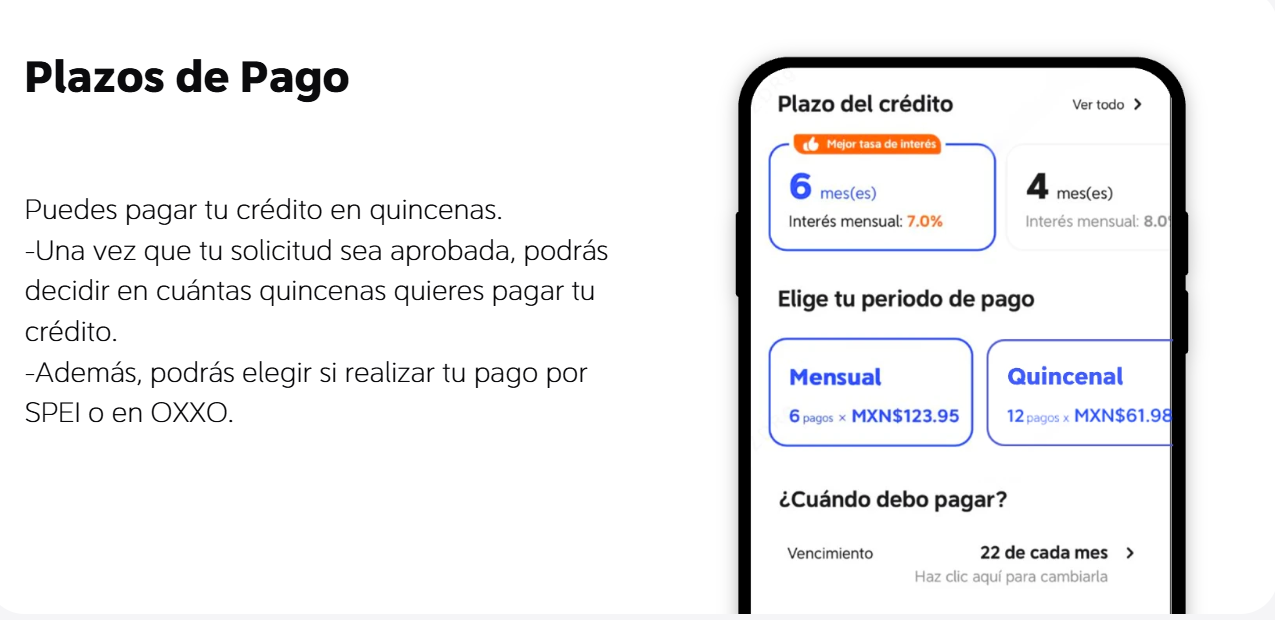
The pattern becomes visible on any routine commute in Mexico City — drivers, riders, and merchants moving through familiar corridors. There, the linked card shows value not as abstract math but as regained minutes and fewer calls to support. This is where didi credito enters the picture: pairing a modest short-term loan or credit facility with the card can smooth variability in income or seasonal expenses. The term APR matters here, as does monitoring billing cycles so interest and repayment align with expected inflows.
Practical setup and a soft checklist
Begin with three concrete steps: register the payment card in the app, confirm automatic reconciliation for fares and purchases, and set a primary repayment source. Use a payment gateway that logs transactions in real time so you can spot anomalies quickly. Keep an eye on interest rate notices and the billing cycle cut-off to avoid surprise charges. Small habits—daily balance checks, a weekly review—turn the system from novelty into habit.
Common mistakes and sensible alternatives
People often overconsolidate without regard for backup options—linking everything to a single card and then being stuck if it is declined. Another error is ignoring transaction categorization; without categories you lose the insight that justifies the setup. Alternatives include maintaining a reserve card for emergencies or using a separate digital wallet solely for subscriptions. Banks and other fintech platforms offer competing products; compare fees and dispute resolution terms rather than charm or branding.
Three golden metrics to judge success
1) Net monthly savings: measure the reduction in fees, overdraft charges, and interest compared to the previous three months. This is your hard-dollar proof. 2) Reconciliation time: track how many minutes per week you spend categorizing and fixing transactions; a linked system should cut this by at least half. 3) Payment reliability: monitor failed transactions and dispute resolution times—lower rates of failure and faster resolutions mean the setup is doing its job.
Closing rhythm and practical send-off
These metrics form a disciplined way to evaluate whether the pairing of card and payment account is delivering tangible results. If the numbers improve, the psychological burden of expense management lightens — and that is an operational gain as much as a personal one. Use these rules, and you will notice the quiet accumulation of better months. DiDi Finanzas — a steady hand when details matter. –